What Is a Temporary Dental Filling and Why You Might Need One
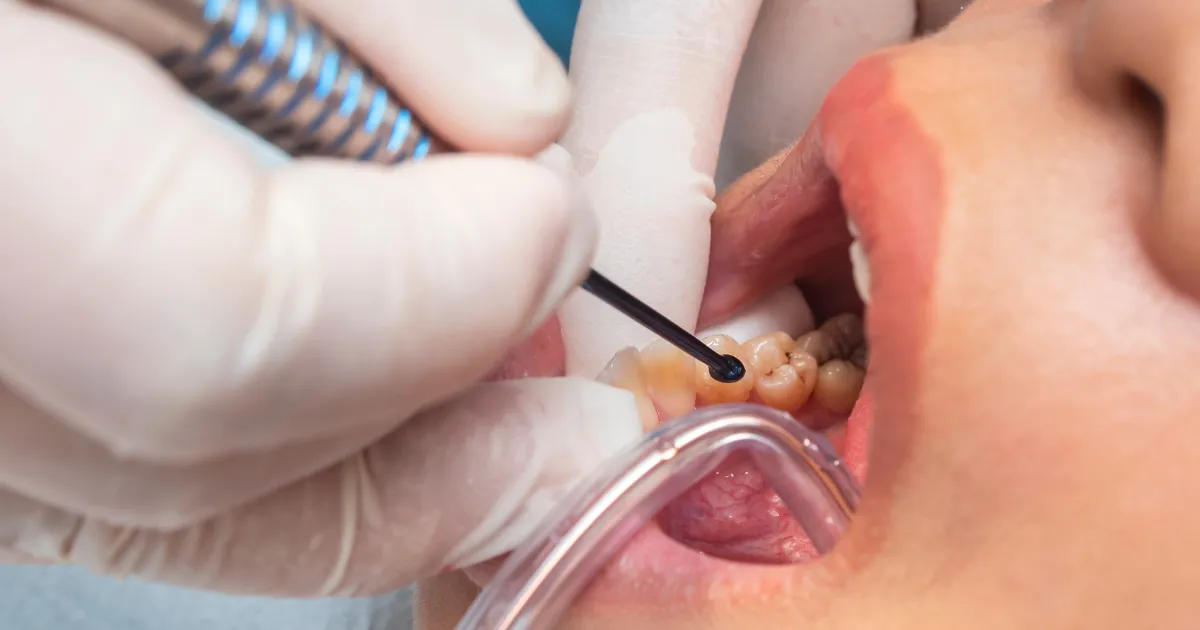
A temporary dental filling is a short-term solution used to protect a tooth after certain dental treatments or while waiting for a permanent restoration. Dentists often use them after a root canal, to relieve toothache from decay, or when a crown or inlay needs to be fitted at a later date.
While these fillings are not designed to last long, they play an essential role in protecting your tooth from further damage or infection. That’s why proper aftercare is so important.
Why Taking Care of a Temporary Dental Filling Is So Important
Once your dentist places a temporary filling, your tooth is protected – but only if you treat it with care. Proper aftercare ensures it stays intact and continues to do its job until your next appointment.
If you neglect it, you could experience:
- Increased sensitivity or pain
- The filling is coming loose or falling out
- Bacteria entering the tooth
- Delays in your treatment or the need for extra work
Good aftercare keeps your mouth healthy and your filling secure.
How Long After a Temporary Dental Filling Can You Eat?
You should always wait until your anaesthetic has completely worn off before eating. If you eat while your mouth is numb, you might bite your cheek or tongue without realising it.
When you do eat, choose soft foods and chew on the opposite side of your mouth. This helps protect the filling and prevents unnecessary pressure that could cause it to come loose.
What Foods to Eat and Avoid After a Temporary Dental Filling
For the first 24 hours after your dental appointment, it’s best to eat soft, non-sticky foods such as:
- Soup (lukewarm, not hot)
- Mashed potatoes or soft vegetables
- Smoothies and yoghurt
- Scrambled eggs or pasta
Avoid sticky or hard foods that can damage your filling, including:
- Toffee, gum, or caramels
- Crusty bread and nuts
- Hard sweets or crunchy snacks
Stick to gentle foods for the first day to keep your filling secure.
How to Brush and Floss Around a Temporary Dental Filling Safely
You can brush your teeth as normal, but use a soft-bristled toothbrush and gentle pressure. Avoid scrubbing directly over the filled tooth.
When flossing near the filling, slide the floss carefully between your teeth and remove it sideways rather than pulling it straight up. This prevents the filling from being accidentally lifted out of place.
Can Hot or Cold Foods Affect a Temporary Dental Filling?
Yes – temporary fillings are more sensitive to extreme temperatures. If you drink very hot tea or eat ice-cold desserts, you may feel a quick twinge or mild discomfort. This sensitivity is temporary, but it’s best to avoid extremes to prevent stress on the filling.
Aim for foods and drinks that are at moderate, comfortable temperatures.
Signs Your Temporary Dental Filling May Need Replacing
Most temporary dental fillings last around one to four weeks, but this can vary depending on your diet, bite pressure, and the material used.
Contact your dentist if:
- The filling feels loose or has fallen out
- You notice pain when biting
- There’s swelling or a bad taste in your mouth
- You see visible damage or a gap around the tooth
At Kingfisher Dental, we can quickly replace your temporary filling and ensure your tooth remains protected.
How Long Does a Temporary Dental Filling Last Before It Needs to Be Replaced?
Typically, a temporary filling lasts up to four weeks, but it’s not designed to be permanent. Your dentist will book you a follow-up appointment for a permanent filling, inlay, or crown soon after the temporary one is placed.
Delaying this appointment can allow the filling to deteriorate, increasing your risk of decay or infection. Always attend your next scheduled visit for long-term protection.
Professional Aftercare and Follow-Up for Temporary Dental Fillings
We take pride in providing gentle, professional care every step of the way. From placing your temporary dental filling to completing your permanent restoration, our team ensures your comfort and long-term oral health.
We use high-quality materials, modern techniques, and expert aftercare guidance to make sure your filling lasts until your next appointment.
When to Contact Kingfisher Dental About a Temporary Filling
If your temporary filling comes out, starts to hurt, or feels uneven when you bite, it’s important to contact us right away. Leaving a gap in your tooth can expose sensitive tissue and lead to infection.
Contact us for quick, professional help. We’ll assess the situation, replace the filling if needed, and make sure your tooth is well protected.


.avif)